Views: 0 Author: Site Editor Publish Time: 2026-05-31 Origin: Site


Sourcing reliable construction materials requires balancing immediate procurement costs against long-term structural integrity and corrosion resistance. You need materials robust enough for demanding environments but economical enough for tight budgets. This guide provides a technical and commercial evaluation framework for procuring hot-dip galvanized steel coil. We detail production realities, specification mapping, and precise application matching. We focus on verifiable industry standards like ASTM, EN, and JIS. Utilizing evidence-based performance metrics helps procurement teams and engineers make risk-averse purchasing decisions. You will discover exactly how zinc coatings bond to steel. You will learn how specific surface treatments affect secondary manufacturing. Ultimately, we provide actionable steps to align your exact project requirements with international steel specifications, ensuring lasting structural durability.
Inherent Quality Control: The hot-dip galvanizing process acts as a physical fail-safe; molten zinc will not metallurgically bond to improperly cleaned steel.
Specification Matching: Selecting the correct zinc coating weight (e.g., Z60 vs. Z275) and base grade (e.g., DX51D) is the primary driver of both lifespan and project cost.
Downstream Readiness: Surface finishes (zero spangle, skin-passed) and edge processing (slit edge) dictate the coil's viability for secondary manufacturing, such as forming Corrugated Steel Sheet or serving as a base for Prepainted Steel Coil.
Cost Transparency: Pricing is not static; it fluctuates based on zinc volume, steel grade, dimensional tolerances, and environmental compliance requirements (e.g., CR3 passivation).
Coating failures stem primarily from inadequate surface preparation. We often see engineers blame the zinc quality when the real culprit is poor cleaning. The hot-dip galvanizing process features an inherent quality control mechanism. Molten zinc simply will not adhere to dirty, oily, or rusty steel. This creates a physical fail-safe during production.
Mills must follow a mandatory, rigorous cleaning sequence. First, hot alkaline degreasing removes organic contaminants, dirt, and manufacturing oils. Second, acidic pickling strips away residual mill scale and rust. Finally, zinc ammonium chloride fluxing cleans the metal surface one last time. This flux layer prevents flash oxidation before the steel enters the molten zinc. A common mistake is rushing the pickling phase. Skipping thorough acid immersion guarantees poor coating adhesion and premature field failure.
Once perfectly clean, the steel coil undergoes continuous submersion in a specialized galvanizing bath. Facilities maintain this bath at precise temperatures between 815°F and 850°F (435°C and 455°C). To meet global standards, the bath must contain at least 98% pure zinc, complying with strict ASTM B6 specifications.
Immersion triggers a rapid metallurgical reaction. The iron in the steel reacts with the molten zinc. They form a series of tightly bonded, abrasion-resistant zinc-iron intermetallic alloy layers. The innermost layers are harder than the base steel itself. This unique hardness provides exceptional resistance against physical damage during transport and installation. The outermost layer remains relatively pure zinc, offering excellent ductility.
The coil then transitions from a molten state to a solid protective coating via controlled cooling. High-velocity air knives wipe excess zinc from the surface as the steel exits the bath. This step precisely controls the final coating weight. Following air cooling or water quenching, quality control teams conduct standardized physical testing. They measure coating thickness using magnetic thickness gauges. They also test adhesion uniformity through rigorous bending and impact assessments. This ensures the coil meets the exact mechanical demands of the end user.
Selecting the right base steel grade dictates your product's formability and structural capacity. Different global regions use unique naming conventions. Understanding how they map to one another prevents costly procurement errors. For general forming, European standards use EN 10346 (DX51D). The Japanese equivalent is JIS G 3302 (SGCC), while North America uses ASTM A653 (CS Type B).
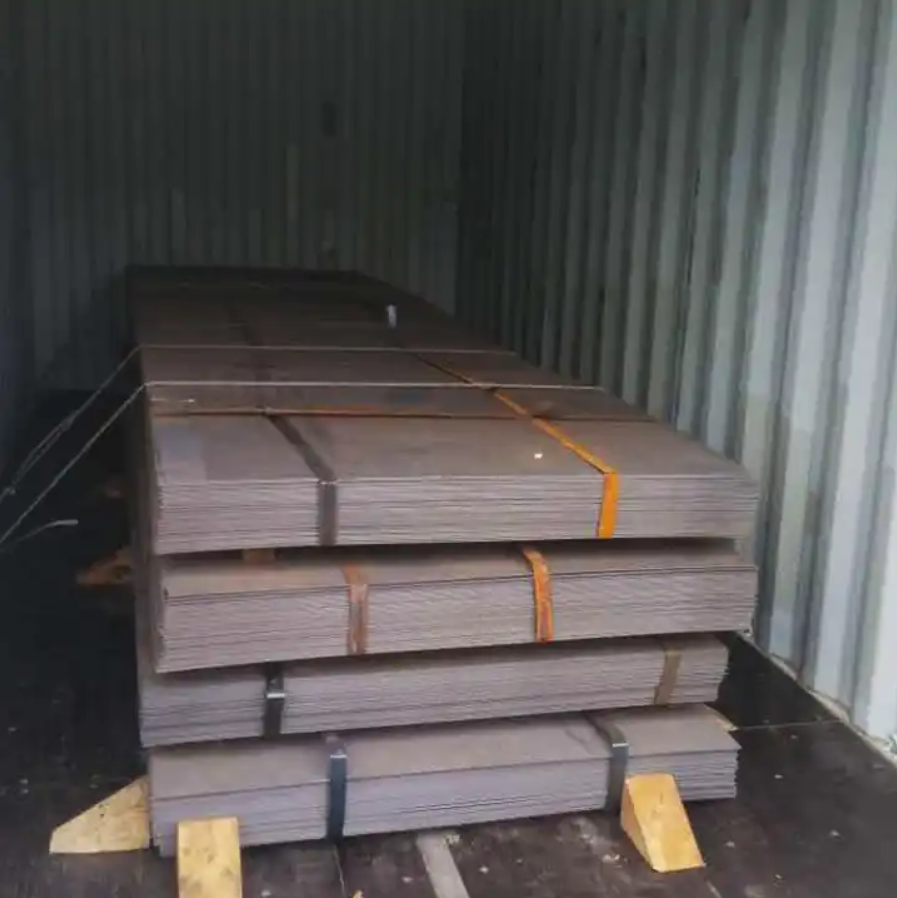
Structural applications demand higher yield strengths. You might specify S250GD or SS33 Grade. Procurement teams must carefully analyze load-bearing requirements. You must distinguish when to upgrade to thicker Steel Plate formats versus standard coil gauges. Coil serves perfectly for wall panels and light framing. However, heavy industrial flooring or primary load-bearing columns often require the rigid thickness only plate formats provide.
Application Type | European (EN 10346) | Japanese (JIS G 3302) | American (ASTM A653) |
|---|---|---|---|
Commercial Quality (General Forming) | DX51D | SGCC | CS Type A/B/C |
Drawing Quality (Deep Forming) | DX53D / DX54D | SGCD2 / SGCD3 | FS / DDS |
Structural Quality (Load Bearing) | S250GD / S350GD | SGC340 / SGC400 | SS33 / SS50 |
Your zinc coating weight directly dictates asset lifespan. It serves as a sacrificial anode, corroding preferentially to protect the underlying steel. A direct relationship exists between zinc mass, environmental corrosivity, and structural longevity. We highly recommend matching the coating precisely to your project's climate exposure.
Coating Weight | Primary Environment | Typical Lifespan & Performance Expectation |
|---|---|---|
Z60 - Z90 | Mild, climate-controlled indoor environments. | Cost-effective. Ideal for HVAC ducts or internal partitions. Protects against basic humidity. |
Z120 - Z180 | General outdoor construction, temperate climates. | The standard specification. Provides decades of protection against seasonal rain and mild UV exposure. |
Z275 and above | Severe industrial, coastal, high-humidity zones. | Mandatory to prevent premature structural degradation in marine environments or chemical plants. |
The visible crystallization of zinc on the surface is called a spangle. Spangle size impacts both visual aesthetics and secondary manufacturing capabilities. Regular spangle offers a classic, highly visible crystalline pattern. It remains highly cost-efficient for hidden structural components like framing or roofing underlayments. Since appearance matters less here, regular spangle saves unnecessary processing fees.
Conversely, minimized or zero spangle finishes undergo specialized cooling to suppress crystal growth. This produces a smooth, uniform surface. Zero spangle is absolutely essential for high-end exterior applications. It acts as the required uniform substrate for manufacturing Prepainted Steel Coil. Paint requires a perfectly flat profile to adhere correctly and prevent visually jarring textures.
Once coated, coils often require post-treatments to ensure manufacturing readiness. You must specify these based on your factory's exact machinery.
Skin-Passing: This involves a light cold-rolling process performed after galvanizing. It eliminates the yield point phenomenon. By doing so, skin-passing prevents unsightly strain marks (fluting) during deep drawing or heavy stamping operations.
Chromated (CR3) Passivation: Modern environmental regulations strictly govern chemical passivation. Applying trivalent chromium (CR3) prevents "white rust" from forming during transit and warehouse storage. It safely stabilizes the highly reactive fresh zinc surface.
Oiled vs. Dry: Applying a light coating of machine oil offers secondary protection against moisture. However, dry coils mitigate water stain risks during prolonged shipping. Dry coils require meticulous climate-controlled logistics.
Edge precision heavily influences automated processing efficiency. "Mill Edge" refers to the raw, untrimmed edge created during standard production. It is less precise and slightly thicker due to zinc pooling. In contrast, "Slit Edge" means the mill trims the coil to exact width tolerances. Slit edges provide safer handling characteristics. They are structurally necessary for the automated roll-forming of Corrugated Steel Sheet. Jamming a roll-former with inconsistent mill edges causes massive production delays.
Pricing for galvanized steel coil constantly fluctuates. Raw materials dictate the baseline expense. A direct correlation exists between specified zinc thickness and overall unit cost. Heavy Z275 coatings consume significantly more raw zinc than Z60 variants, exposing the price to global zinc commodity trading. Furthermore, your base steel selection heavily influences your budget. High-strength structural grades (S250GD) or advanced deep-drawing grades (DX54D) command a substantial premium over standard commercial quality steel.
Machine time and dimensional difficulty factor heavily into final pricing. Extreme dimensions always increase production difficulty. Ultra-thin gauges require slower line speeds to prevent tearing. Ultra-wide coils suffer from higher defect rates and edge warping. Both scenarios drive up manufacturing expenses. Additionally, specialized post-treatments add nominal but necessary processing fees. Applying anti-fingerprint coatings, skin-passing, or precision edge slitting requires extra steps on the finishing line.
External market dynamics continually reshape procurement budgets. Supply chain logistics, container freight rates, and localized port handling fees alter landed costs drastically. Moreover, regional tariff policies and mandatory certification requirements impact pricing. Mills must invest heavily to maintain verifiable ISO standards or European CE marks. They pass these compliance costs down the supply chain. You must account for these variables when forecasting quarterly procurement budgets.
Selecting the right hot-dip galvanized steel coil requires a methodical approach. Skipping steps leads to field failures or wasted budgets. Follow this four-step framework to guarantee technical alignment.
Step 1: Define the End-Use (Mechanical Properties). You must determine exactly how the steel will be manipulated. Does the application require tight bending, deep-drawing, or massive structural rigidity? Specify the correct base steel grade (e.g., DX51D vs. S350GD) before considering any coatings.
Step 2: Assess the Operating Environment (Corrosion Risk). You must evaluate the installation climate. Will the material face high humidity, road salt, or airborne industrial chemicals? Select your zinc coating weight based on this exposure profile. Z275 is vital for coastal zones, while Z90 suffices for dry interiors.
Step 3: Determine Downstream Processing (Surface & Edge). Align coil finishes with your factory's machinery. Do you need a zero spangle surface for aesthetic painting? Does your automated stamping line require a skin-passed surface? Ensure you specify slit edges if your roll-formers require tight width tolerances.
Step 4: Verify Standards and Compliance. When procuring HDG coil for construction, you must demand comprehensive Mill Test Certificates (MTC). Ensure these documents align perfectly with your target market's regulatory frameworks, whether they dictate ASTM, EN, or JIS compliance.
Procuring hot-dip galvanized steel requires strict risk management and precise specification matching.
Over-specifying zinc weights inflates your project budgets unnecessarily and reduces competitive bidding margins.
Under-specifying your coating weights guarantees premature structural failure and massive replacement liabilities.
Always demand detailed mill test certificates from your suppliers to verify chemical composition and zinc adhesion.
Collaborate closely with mill technicians on exact slitting tolerances, passivation methods, and spangle sizes to ensure seamless downstream manufacturing.
A: Hot-Dip Galvanized (HDG) steel features a pure zinc coating. It offers superior sacrificial protection, making it ideal for environments with many cut edges or deep scratches. Galvalume utilizes an alloy coating of zinc and aluminum. It provides exceptional heat reflectivity and barrier protection. Builders often prefer Galvalume for exposed coastal roofing panels.
A: Yes, you can weld it. However, the process requires specific high-grade ventilation and specialized techniques because welding vaporizes the zinc coating, creating toxic fumes. If your manufacturing process requires high-frequency or robotic welding, engineers highly recommend Galvannealed (GA) steel. GA is an alloyed variant tailored for optimal weldability.
A: Lifespan is highly dependent on coating weight and surrounding environmental corrosivity. Heavy coatings, like Z275 or higher, placed in rural or mild environments can easily last over 50 years. Conversely, that exact same Z275 coating placed in severe marine or heavy industrial chemical environments may yield only 15 to 25 years of viable structural protection.