


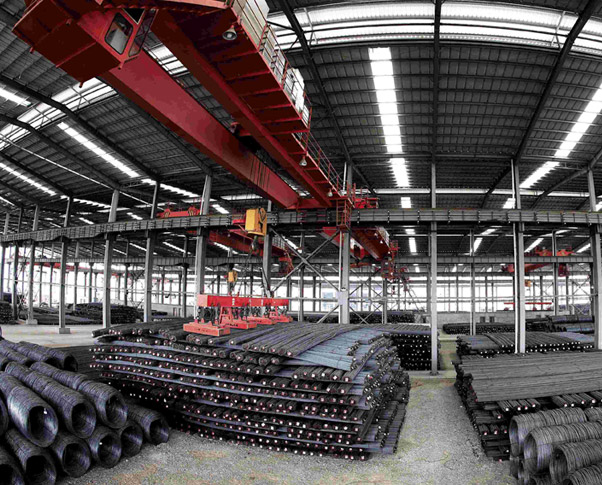




This article compares flat bars and square bars, highlighting their key differences. Flat bars have a rectangular shape, ideal for structural support, custom fabrication, and static load-bearing applications. They are easier to weld and cost-effective for large projects. Square bars, with equal dimensions on all sides, provide strength in multiple directions, making them perfect for dynamic and rotational load-bearing, as well as precision machining. The article also discusses the best use cases for each bar type, such as flat bars for construction and square bars for mechanical components, helping you choose the right material for your project.
This article explores the differences between flat bars and drop bars for bicycles, helping riders choose the right handlebar based on their needs. Flat bars provide comfort and control, making them ideal for city commuting, short rides, and beginners. They promote an upright posture, offering stability and ease of use. In contrast, drop bars offer multiple hand positions and an aerodynamic riding style, making them perfect for long-distance cycling, road racing, and speed seekers. The article also highlights the pros and cons of each bar type, helping cyclists select the best option for their riding style and terrain.
This guide provides a comprehensive approach to bending aluminum flat bars, ideal for construction, automotive, and DIY projects. It covers the different aluminum grades, tools, and techniques required for successful bending. The article explains the role of heat, the importance of accurate measurements, and the correct use of clamping for precise results. It also highlights common mistakes to avoid, such as overheating or bending too quickly. The guide is designed to help both beginners and professionals achieve clean, accurate bends, ensuring safe and efficient project completion. Contact us for more tips or to source high-quality materials.