Views: 0 Author: Site Editor Publish Time: 2025-10-15 Origin: Site


Welding zinc-plated steel plate can be tricky. Its corrosion resistance makes it popular. Improper welding causes weak joints and spatter. In this article, we explore how to weld zinc plated metal. You will learn techniques, safety tips, and best practices.
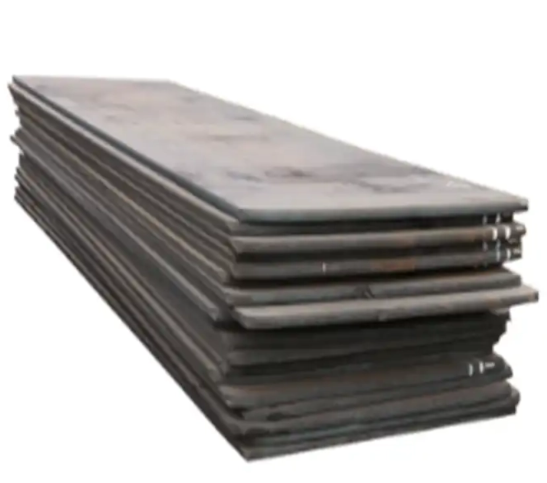
Zinc-plated steel, also called galvanized steel, is a steel plate coated with zinc. The zinc layer acts as a sacrificial barrier against rust, extending product life. Thickness and coating methods vary, making it suitable for automotive, construction, and industrial machinery.
Annotation: Zinc coatings provide corrosion resistance, but they vaporize at welding temperatures, creating unique challenges.
When heated, zinc evaporates quickly. This can cause porosity, blowholes, and inconsistent welds. Spatter increases cleanup time, and weld strength can drop. Manufacturers must adjust techniques and parameters to maintain quality. Always inspect zinc-coated steel plate before welding to identify areas needing prep.
Zinc fumes can cause metal fume fever. Proper ventilation, respirators, and PPE are essential. Ensure welding areas comply with occupational safety standards. Keep weld zones well-ventilated and provide respirators when welding zinc-coated surfaces.
Remove zinc coating near the weld (1–4 inches from the joint).
Grind or burn back coating to expose clean steel.
Ensure proper fit-up with correct gaps.
Proper prep reduces spatter and prevents weld porosity.
GMAW works well on thin zinc-coated steel plate. Use slower travel speeds to let zinc burn off at the weld pool front. Increase current slightly for thicker coatings. Shielding gas should be argon-CO₂ for a stable arc. Adjust travel speed and current based on zinc thickness to reduce defects.
SMAW is suitable for thicker steel plate. Reduce electrode angles (30–70°) and slow travel speed. Whipping motion helps remove zinc before the weld bead progresses. Multiple weld beads should be avoided. Slow SMAW welding prevents undercutting and improves penetration.
Oxyacetylene welding requires careful heat control. Low travel speed brings edges to fusion temperature while avoiding excessive zinc loss. Move filler rods back and forth for a ripple weld pattern. Controlled heat preserves the zinc layer outside the weld zone.
Effective for thin galvanized steel plate (<1/4 inch). Zinc coating under 1 oz/ft² can be welded without removal. Heavier coatings may shorten electrode life. Regularly inspect electrodes to maintain consistent weld quality.
Stud Welding: Remove zinc from stud end and surface.
Rebar Welding: 2-inch clearance preferred near weld joint.
Friction Welding: Use pointed studs; flat ends fail due to low heat.
Select welding type based on component geometry and zinc thickness.
This technology creates a larger molten pool, allowing zinc vapor to escape safely. It reduces porosity and ensures consistent weld quality across multiple steel plate units. Automated wire feed improves spatter control and bead consistency.
Automation reduces dependency on highly skilled welders. It maintains uniform welds, increases throughput, and minimizes downtime. Use automation to scale production while keeping quality high.
Modern systems provide real-time monitoring, error alerts, and polarity control. Operators learn faster, reducing training time and minimizing mistakes on zinc-plated surfaces. Incorporate operator training for both manual and automated welders.
| Method | Advantages | Notes |
|---|---|---|
| Grinding | Precise, minimal heat | Recommended for structural welds |
| Burning | Quick | May discolor surrounding area |
| Pushing Back | Simple | Suitable for thin plates |
Choose removal method based on plate thickness and welding type.
Use anti-spatter sprays or silicon-based compounds.
Adjust arc length and torch angle.
Side-to-side motion improves bead quality. Minor spatter control reduces post-weld cleanup time significantly.
Minimize heat input to avoid defects.
Use slower speeds for thin steel plate, higher current for thick.
Maintain appropriate molten pool size. Consistent heat reduces zinc vapor entrapment and improves weld integrity.
Remove residual zinc near welds.
Inspect for porosity, blowholes, and surface defects.
Apply finishing treatments as needed. Thorough inspection ensures long-term corrosion protection.
| Strategy | Pros | Cons |
|---|---|---|
| Manual | Flexible, low setup cost | Requires high skill |
| Automated | Consistent quality, faster | High initial investment |
| Pre-Galvanizing Welding | Easier coating control | May limit part size |
| Post-Galvanizing Welding | Maximum corrosion protection | Requires careful weld prep |
Match strategy to production volume, part size, and skill availability.
Zinc-plated steel plate prevents rust and maintains aesthetics. Push Arc mode reduces spatter and increases structural reliability. High-volume automotive welds benefit from automated, low-spatter systems.
Field welding requires prep and ventilation. Pre-removal of zinc ensures strong structural connections. Always follow AWS D-19.0 guidelines for structural welds.
Zinc is recyclable, making the process eco-friendly. Proper welding reduces scrap and enhances lifecycle performance. Sustainable practices boost corporate social responsibility and reduce costs.
Skipping zinc removal near welds.
Using improper heat or travel speed.
Ignoring ventilation or PPE requirements.
Underestimating training needs. Following guidelines prevents costly rework and safety hazards.
Welding zinc-plated steel plate is possible with proper preparation and techniques. Shanghai Changzeng Metal Co., Ltd offers high-quality products that ensure durable welds. Their solutions help reduce spatter and improve efficiency. Following best practices guarantees safe and consistent results.
A: Yes, with proper preparation, ventilation, and techniques, zinc-plated steel plate can be welded safely.
A: Use controlled heat, proper travel speed, and anti-spatter compounds on steel plate surfaces.
A: Welding zinc-coated steel is challenging because the zinc vaporizes at high temperatures, causing porosity, spatter, and weakened welds. Proper prep and heat control are essential.